








Maze Digital completely transformed our product experience. The new UX is not only visually polished but significantly improved our user engagement and conversions.
PS
Priya Sharma
Product Manager
Build once, launch on iOS and Android simultaneously. React Native delivers near-native performance at 30 to 40 percent lower cost than two separate native apps. 50+ apps delivered. You own 100% of the code.
Share your project details – scope, timeframes, or challenges. We respond within 4 business hours.
Trusted by Global Brands, Across Every Industry
React Native app development is the process of building cross-platform mobile applications for both iOS and Android from a single JavaScript and TypeScript codebase, using Meta’s React Native framework. Unlike hybrid frameworks such as Ionic or Cordova that wrap web content in a WebView, React Native compiles to real native UI components on each platform, resulting in genuine native performance and platform-specific look and feel. React Native was created by Meta (formerly Facebook) in 2015 and is used in production by companies including Meta, Microsoft, Shopify, Coinbase, Discord, and Wix.The framework’s New Architecture, introduced in versions 0.71 and above, replaces the old JavaScript Bridge with JSI (JavaScript Interface), enabling synchronous communication between JavaScript and native code and dramatically improving performance.
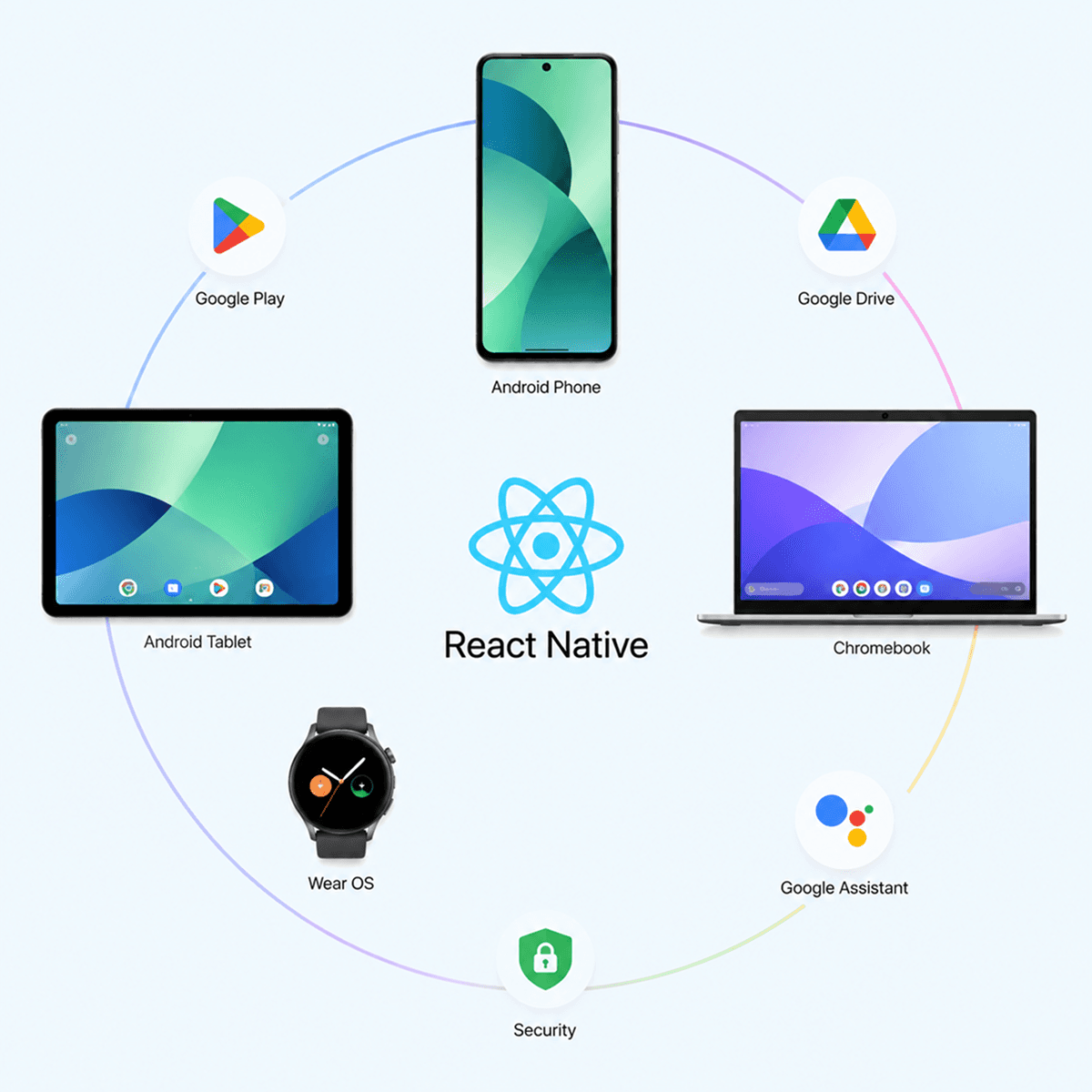
At Maze Digital, our React Native development service uses TypeScript for type safety, React Navigation 7 for routing, Redux Toolkit or Zustand for state management, React Query (TanStack Query) for server state, and custom native modules written in Swift and Kotlin for any platform feature that requires going beyond the JavaScript layer.
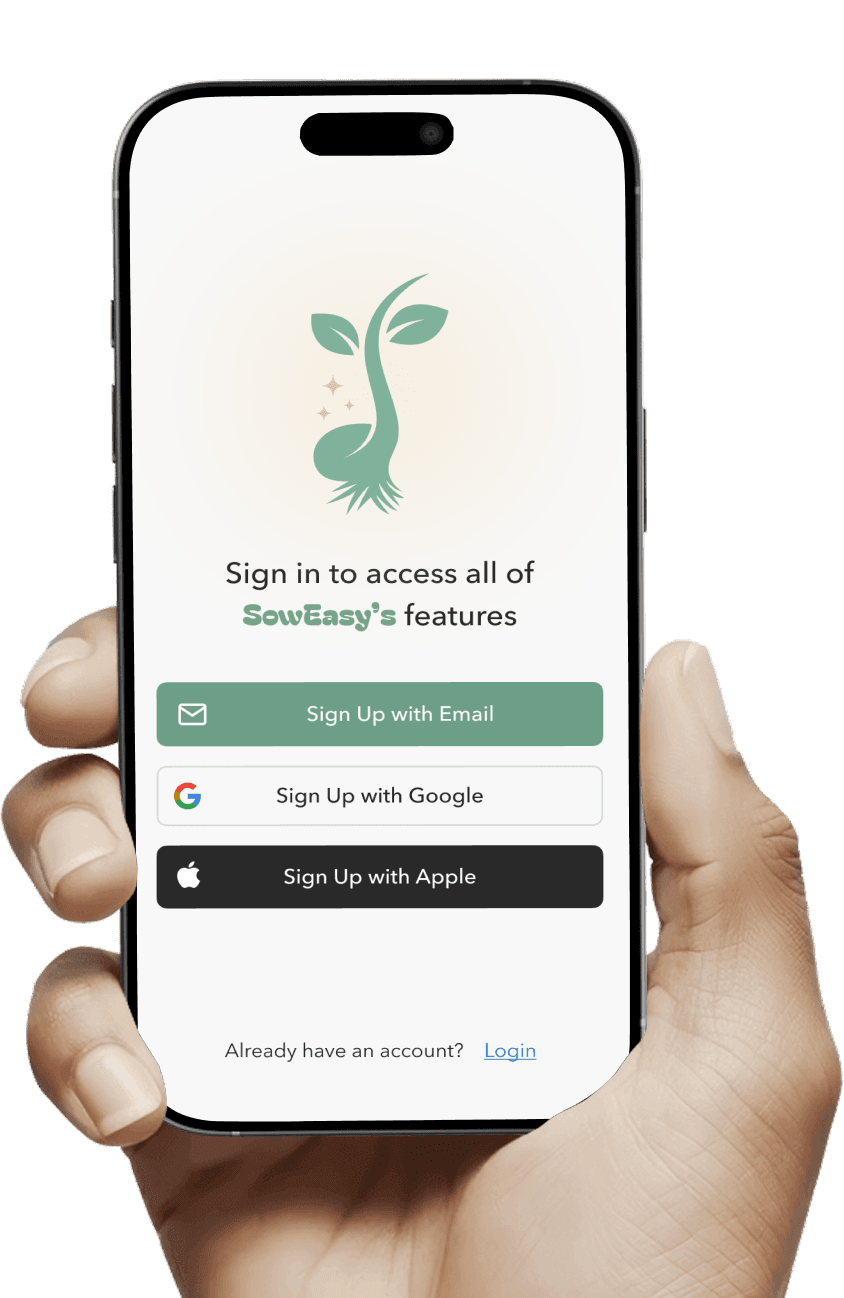
When you need to reach iPhone and Android users simultaneously, React Native is the most commercially efficient path. Here is what that means in practice for your budget and timeline.
WHAT WE BUILD
From your first cross-platform MVP to a complex React Native enterprise platform running on millions of iOS and Android devices.
We build React Native applications using TypeScript, React Navigation, and the New Architecture from the ground up. Every app renders genuine native components on both iOS and Android, delivering near-native performance with one shared codebase that is faster to build, test, and maintain than two separate native applications.
Get a Quote
Launch your validated product idea on both iOS and Android in 6 to 10 weeks. We scope your MVP ruthlessly to core features, build a production-quality React Native app, and ship it to both App Store and Google Play simultaneously so you can start gathering real user feedback as fast as possible.
Get a Quote
We migrate existing native iOS or Android apps to React Native — or consolidate two separate native codebases into one — using incremental component-by-component migration that keeps your app live on both stores throughout the process. We preserve all existing functionality, integrations, and performance characteristics.
Get a Quote
Is your existing React Native app slow, jank-prone, or crashing? We profile with Flipper and the React Native DevTools, identify and fix unnecessary re-renders with React.memo and useMemo, migrate from the old Bridge architecture to JSI, reduce bundle size with Hermes, and fix memory leaks in native modules and FlatList implementations.
Get a Quote
We build secure enterprise React Native applications with SSO integration, MDM compatibility, offline-first architecture, role-based access control, and custom native modules for hardware integrations like barcode scanners, RFID readers, and biometric devices. Available with Android Enterprise and iOS MDM deployment pipelines.
Get a Quote
We work with both Expo Managed Workflow for fast setup and OTA updates, and Bare Workflow and bare React Native for full native control. If you outgrow Expo’s managed environment, we handle the ejection process cleanly. We evaluate your feature requirements and recommend the right setup during the discovery call.
Get a Quote
React Native 0.71 and above ships with a completely redesigned architecture that closes the performance gap with native apps. Here is what changed and why it matters for your project.
The old Bridge used asynchronous JSON serialization to pass data between JavaScript and native code, causing frame drops and latency. JSI replaces it with a direct C++ interface that lets JavaScript hold references to native objects and call native methods synchronously without serialization overhead.
Fabric is the new React Native UI rendering system built in C++. It replaces the old asynchronous UI thread with a synchronous renderer that calculates layout on multiple threads, reduces jank, and supports React 18 Concurrent Mode features like Suspense and startTransition in React Native.
Old native modules were all loaded eagerly at startup, adding to cold start time even when not used. TurboModules are loaded lazily on first use and communicate via JSI instead of the Bridge, making startup faster and native module calls synchronous when required for time-critical features.
Hermes is Meta’s custom JavaScript engine optimized specifically for React Native on mobile. It pre-compiles JavaScript to bytecode at build time rather than at runtime, dramatically reducing app startup time and memory usage. Hermes is now the default engine for all new React Native projects.
Platform Capabilities
React Native gives access to real native device features on both iOS and Android from a single codebase. Here are the integrations we build most frequently for our clients.
Face ID and Touch ID on iOS, Fingerprint and Face Unlock on Android — both handled through a single React Native Biometrics module that falls back gracefully to PIN for devices without biometric hardware. We use platform-native LocalAuthentication and BiometricPrompt under the hood via a custom native module.
Apple Pay on iOS and Google Pay on Android, plus Stripe’s React Native SDK for card payments across both platforms. We handle the full payment flow including subscriptions via StoreKit 2 on iOS and Play Billing on Android for revenue streams that maximize platform-native conversion rates.
Firebase Cloud Messaging handles cross-platform push notifications to both iOS via APNs and Android via FCM from one integration. We configure notification channels, rich notifications with images and actions, background delivery, and deep linking from notification taps directly into specific app screens.
Precise GPS tracking with background location, geofencing, and significant location change monitoring. Maps rendered via React Native Maps using the native Google Maps SDK on Android and Apple Maps or Google Maps on iOS, with custom markers, polylines, clustering, and real-time position updates.
Camera access for photo capture, video recording, QR code scanning, and barcode detection using React Native Vision Camera — the most performant React Native camera library, capable of real-time ML frame processing via Worklets without blocking the JavaScript thread.
Bluetooth Low Energy device discovery, pairing, and GATT communication for IoT devices, wearables, and medical sensors via React Native BLE Manager. NFC tag reading and writing on both Android and iPhone 7 and above via custom native modules wrapping the Core NFC and Android NFC APIs.
Apps that work without internet using WatermelonDB for high-performance local relational data, MMKV for fast key-value storage, and background sync with queue-based conflict resolution when connectivity is restored. Essential for field service, healthcare, and logistics apps operating in low-signal environments.
Push JavaScript bundle updates directly to users without going through App Store or Play Store review using CodePush by Microsoft or Expo Updates. OTA updates allow bug fixes, feature flags, and content changes to reach users in minutes rather than days, while the native binary remains in the stores.
React Native code can share business logic and custom hooks with React web applications, and React Native Windows and macOS extend the same codebase to desktop platforms. If your product roadmap includes web or desktop, a React Native foundation gives you the most code reuse across every platform.
Technology Stack
We use a carefully chosen, production-tested set of libraries. Here is every layer of our React Native stack and the reasoning behind each choice.
We write every React Native project in TypeScript, never plain JavaScript. TypeScript's static type system catches type errors at compile time, makes API response contracts explicit, improves IDE autocomplete and refactoring support, and makes the codebase dramatically easier to onboard new engineers to. We use strict mode TypeScript with no-explicit-any and all recommended compiler checks enabled.
An unbiased comparison to help you choose the right technology for your product, team, and business goals.
Not sure which framework fits your project? Book a free consultation and we will give you an honest recommendation.
We do not treat React Native as a shortcut. We treat it as a strategic choice that requires just as much engineering discipline as native development.
50+
Apps Shipped to Both App Stores
100%
TypeScript — No Plain JavaScript Project
4.9
Average App Store Rating Across Portfolio
2x
Faster to Market vs Two Native Apps
50+
Apps Shipped to Both App Stores
100%
TypeScript — No Plain JavaScript Project
4.9
Average App Store Rating Across Portfolio
2x
Faster to Market vs Two Native Apps
Every new project we start in 2026 uses React Native with the New Architecture enabled — JSI, Fabric, TurboModules, and Hermes. We do not build on the old Bridge. Your app starts faster, renders smoother, and stays performant as it grows in complexity.
We write every React Native project in TypeScript from day one. Type safety eliminates entire categories of runtime errors, makes IDE support richer, and makes the codebase dramatically easier for your team to maintain or hand off to other developers in the future.
We test every sprint build on real iPhones and real Android phones simultaneously — not just simulators. iOS 16 through 18 and Android 12 through 15. Both platforms are treated with equal attention throughout the project, not “iOS first, Android later.”
React Native community modules cover most features, but when they do not, we write custom native modules in Swift (iOS) and Kotlin (Android) that bridge into the React Native layer via JSI. You are never blocked by the JavaScript layer on critical platform features.
After every 2-week sprint you receive a TestFlight build on iOS and a Firebase App Distribution APK on Android. You test both simultaneously on real devices and provide feedback that goes directly into the next sprint. Both platforms stay in sync throughout the entire project.
100% of the TypeScript source code, native module code, design assets, and all deliverables transfer to you on final payment. We sign NDAs before project start, work on a shared GitHub repository, and deliver a complete handover package with documentation on completion.
Our Process
A structured process that ships iOS and Android simultaneously, on time, on budget, with real builds in your hands throughout.
We define your target users on both iOS and Android, evaluate whether Expo Managed Workflow or bare React Native is the right foundation, and make the state management choice between Redux Toolkit and Zustand based on your app’s complexity. We produce a Product Requirements Document, component architecture plan, navigation structure, and a transparent timeline before any design work begins
Our UX team designs user flows that account for both iOS and Android navigation patterns simultaneously. Where the platforms differ significantly, such as the Android back gesture versus iOS swipe-back, we design platform-adaptive flows from the start. We wireframe every screen for both platforms before any visual design begins, ensuring no costly redesign discoveries during development.
We design your complete app UI in Figma with a shared design system that intelligently handles the visual differences between iOS and Android. Typography uses the San Francisco system font on iOS and Roboto on Android via React Native’s platform-specific font handling. Components follow HIG guidelines on iOS and Material Design 3 on Android where appropriate, with a consistent brand layer applied above platform conventions. You approve an interactive Figma prototype before development begins.
Engineers build using TypeScript and React Native with the New Architecture enabled. React Navigation 7 handles routing, Redux Toolkit or Zustand manages client state, TanStack Query manages server state and caching, Axios handles API communication, and MMKV or AsyncStorage handles local persistence. Where community modules are insufficient, we write custom native modules in Swift and Kotlin. After every sprint you receive a TestFlight build on iOS and an APK on Android for simultaneous real-device testing.
We test simultaneously on real iPhones (iOS 16, 17, 18) and real Android phones (Android 12, 13, 14, 15) from Samsung, Google Pixel, and OnePlus. We run Jest unit tests and Detox end-to-end tests for critical user flows. We check for JS thread blocking using Flipper’s React Native Performance Monitor, memory leaks in FlatList implementations, and navigation transition jank. Both App Store and Google Play compliance are validated before submission.
We submit to Apple App Store and Google Play simultaneously, handling both stores’ complete requirements in parallel: app signing and provisioning profiles for iOS, upload key and AAB for Android, store listings with ASO-optimized copy, screenshots for every required device size on both platforms, and compliance disclosures for both stores. We configure Sentry for cross-platform crash reporting and Firebase Analytics for unified user behavior tracking across iOS and Android from one dashboard.
Maze Digital is your Dedicated Design and Frontend Engineering partner for Complex Software.
Construction • GIS Web App
A full-scale hazard management and asset tracking web platform for industrial power generation, petroleum, and construction environments. Real-time GIS mapping, work order management, and multi-site dashboards.
Faster Incident Reporting
User Adoption Rate
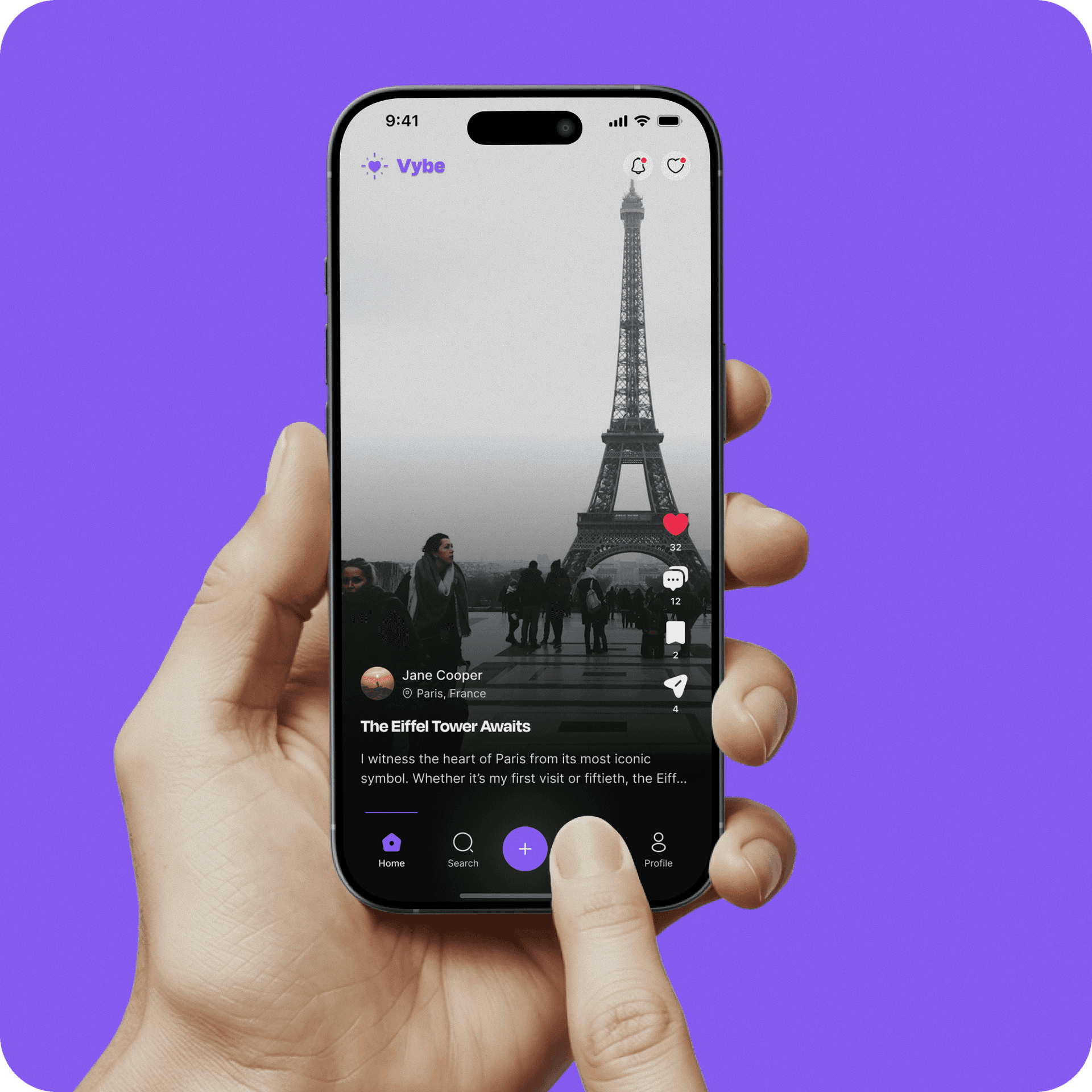
Social • Community Platform
A modern social media app designed to bring real-time connection, creativity, and community into a single platformA brand-forward restaurant website with online ordering, table reservation system, menu management CMS, and events booking designed to maximize in-person and online conversions for a premium dining brand.
User Engagement
User Retention
We collaborate with diverse industries to design intuitive digital products that boost growth, improve user experiences, and deliver measurable impact.
Verified reviews from founders and CTOs who shipped iPhone apps with our team.
Maze Digital completely transformed our product experience. The new UX is not only visually polished but significantly improved our user engagement and conversions.
Priya Sharma
Product Manager
Working with Maze Digital felt like having a strategic partner, not just a design team. They understood our business goals and translated them into a seamless user journey.
Jason
Marketing Manager
The level of detail in their UI/UX work is exceptional. From research to final design, everything was structured, thoughtful, and user-focused.
Omer
Founder & CEO
We share our thoughts on design and development


Every question founders ask before starting a React Native project, answered directly and in full.