


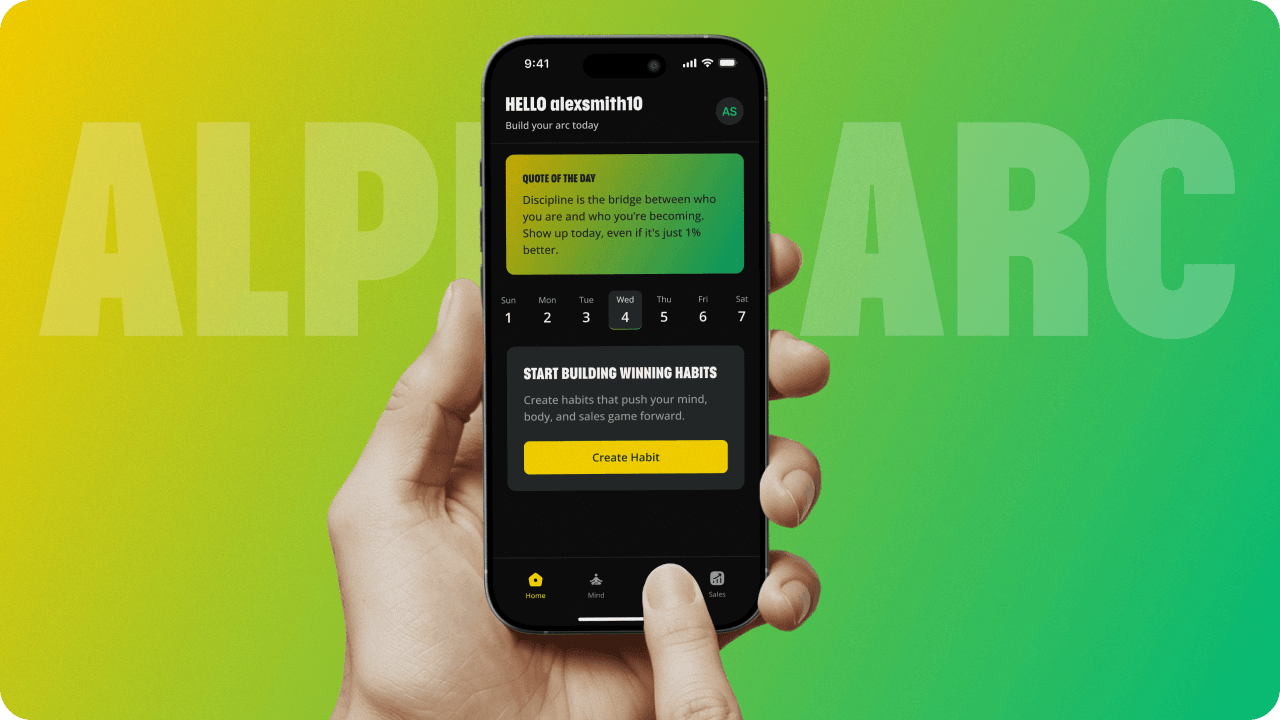

Maze Digital completely transformed our product experience. The new UX is not only visually polished but significantly improved our user engagement and conversions.
PS
Priya Sharma
Product Manager
Most startups take 6 to 12 months to build their first product. Our founders ship in 6 to 10 weeks. Not throwaway code, production-quality, investor-ready MVPs built to scale. 50+ MVPs delivered across healthcare, ecommerce, construction, and social.
Share your project details – scope, timeframes, or challenges. We respond within 4 business hours.
Trusted by Global Brands, Across Every Industry
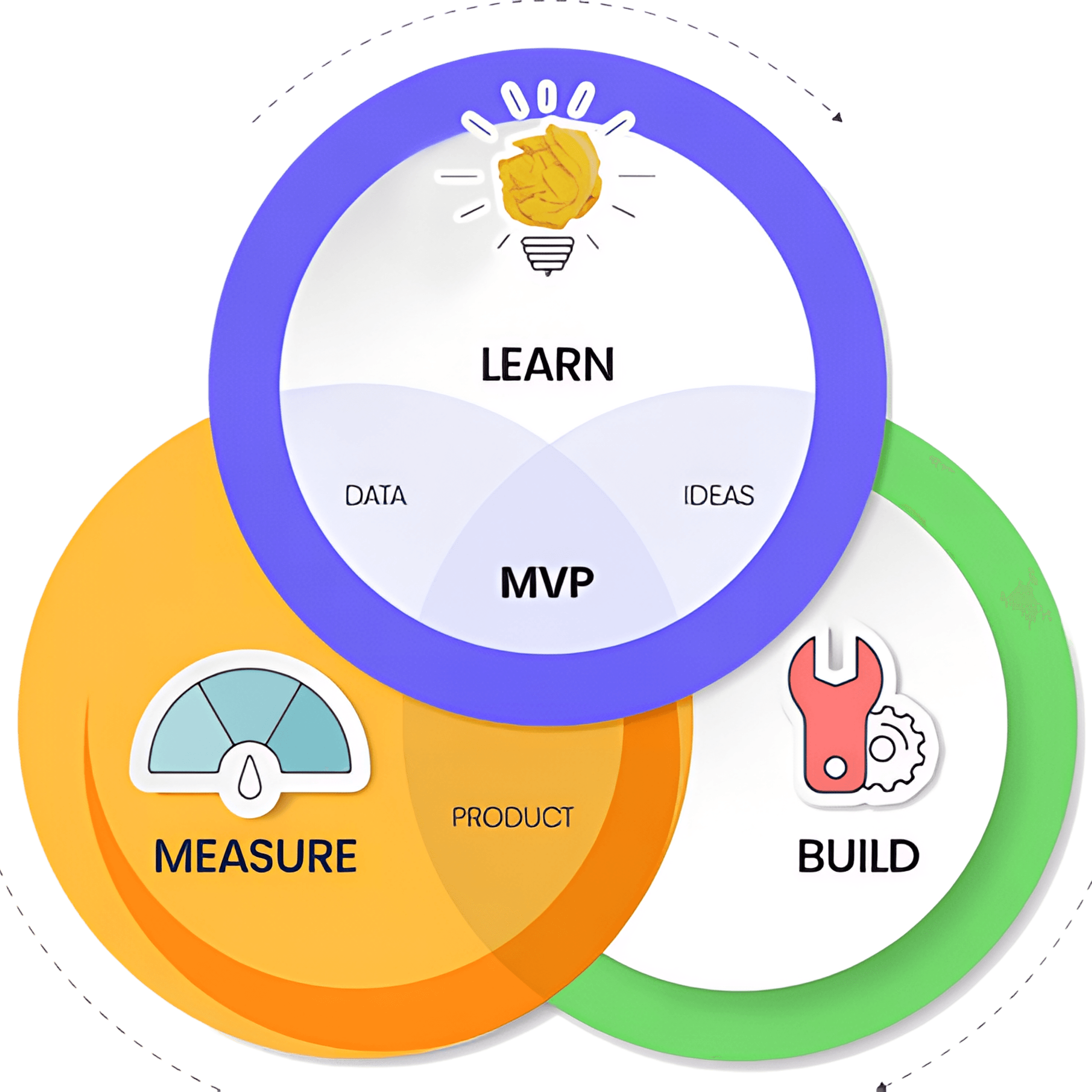
MVP development (Minimum Viable Product development) is the practice of building the smallest possible working version of your product that still delivers genuine value to real users. The term was popularized by Eric Ries in The Lean Startup and is the foundational strategy for modern product development: build the minimum, measure what users actually do, and learn what to build next based on evidence rather than assumption. An MVP is distinct from a prototype (a non-functional demo) and distinct from a full product (which includes all features you envision).
…
What We Build
Whether you need a mobile app on the App Store in 8 weeks, a SaaS dashboard for your first ten enterprise customers, or a web platform to validate a marketplace hypothesis, we scope and build it.
A fully organized, professionally structured Figma file with every screen, every state, and proper naming conventions that make developer handoff clean and fast.
Next.js and Node.js web application MVPs for SaaS products, marketplaces, B2B tools, and consumer platforms. We build the core authenticated user flow, signup, onboarding, core feature, and activation moment, with a lightweight admin panel so you can manage early users without engineering involvement.
React Native or Flutter MVPs that launch on iOS and Android simultaneously, at 30 to 40 percent less cost than two native apps. Ideal for consumer startups that need reach on both platforms from day one without doubling the development budget. Same sprint cadence, same build quality, two stores at once.
Enterprise-focused MVPs with multi-tenant architecture, role-based access, team management, and the secure, reliable infrastructure enterprise customers expect. We design for the buyer journey, from marketing landing page to trial sign-up to activation, and build the three to five features that close your first paying customers.
HIPAA-compliant healthcare and wellness MVPs built with the security architecture investors and hospital customers require from day one. AES-256 encryption, biometric authentication, audit logging, and Business Associate Agreements included. We have delivered healthcare MVPs, including Peptide MD, a HIPAA-compliant AI wellness platform.
Two-sided marketplace MVPs with supply and demand sign-up flows, listing and discovery, booking or transaction mechanics, and basic ratings, the minimum set to test the network effect hypothesis. Built with Stripe Connect for platform payments and a clean admin panel to manage the supply side manually in the early days.
The biggest mistake founders make is building too much. Our scoping session cuts scope ruthlessly so you launch in weeks, not months. Here is how we decide what belongs in the MVP.

The one feature that directly tests whether users get value from your product’s core promise. Everything else is secondary to making this work beautifully. We identify this in the scoping session and build the MVP around it.
Always In
Users need to sign up, log in, and understand your product’s value before they experience it. A well-designed onboarding flow is not a nice-to-have; it is the first thing that determines whether your retention data is valid.
Always In
If your hypothesis includes willingness to pay, payment infrastructure belongs in the MVP, not because you need revenue on day one, but because willingness to enter a credit card is qualitatively different from willingness to use a free product. Stripe makes this a 2-day integration.
Usually In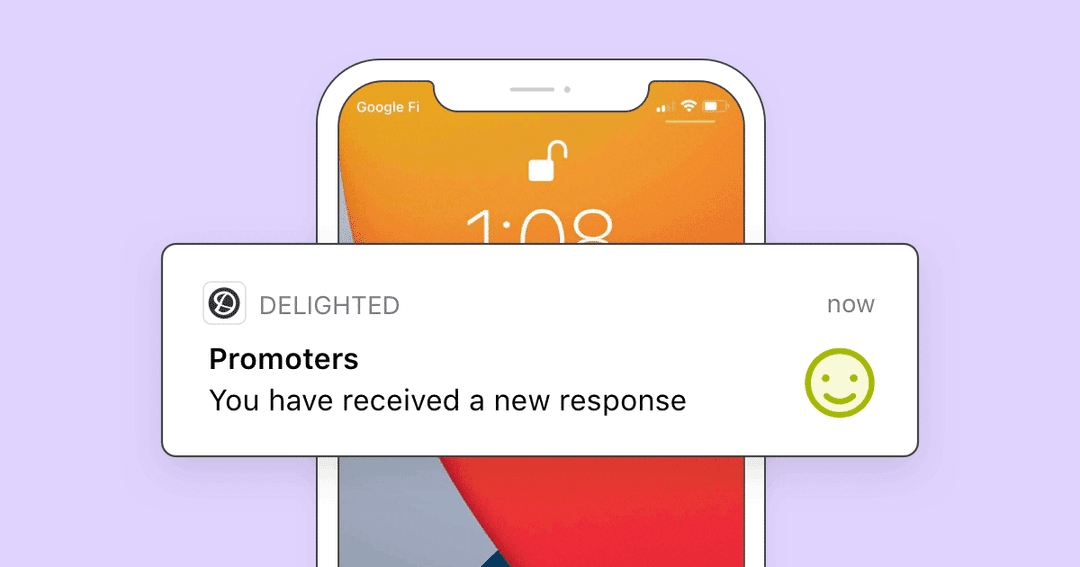
Push notifications and email notifications for the one or two moments where timely communication is core to the product experience. Not a full notification system. Just the trigger points that would cause users to churn if absent. Everything else goes on the post-MVP roadmap.
Often In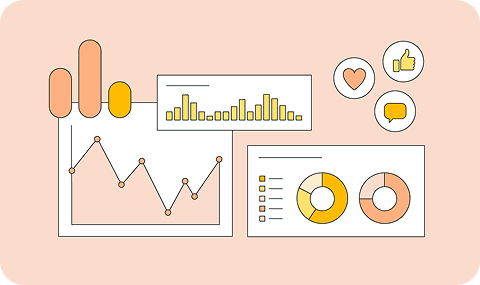
Firebase Analytics and Sentry or Crashlytics go into every MVP we ship. Without instrumentation, you cannot learn from real user behavior. Knowing your Day 1 and Day 7 retention, your drop-off points, and your crash rate is how you decide what to build in version two.
Always In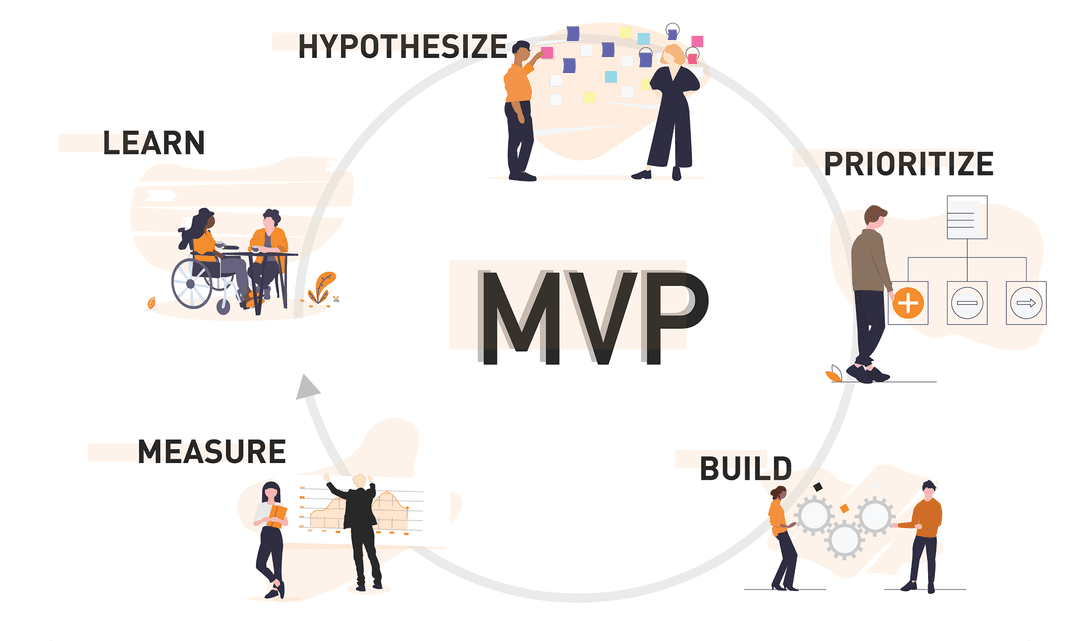
Advanced settings, social sharing, referral programs, admin dashboards, multiple user roles, advanced search, gamification, third-party integrations beyond the core, these all go on a documented post-MVP roadmap. They are not cut permanently, just deferred until your hypothesis is validated.
Cut to V2MVP Stack
We help founders bring their ideas to life faster with lean, scalable MVPs built to validate concepts, attract investors, and grow with your users.
The data is clear: startups that launch an MVP first reach product-market fit faster, raise funding at better valuations, and spend less money on features nobody uses.
Ready to launch your MVP in 8 weeks? Book a free scoping session and we will tell you exactly what we can build and when.
How We Work
Our MVP process is purpose-built for speed and quality simultaneously. Every step protects your launch date while ensuring the product you launch is one you are proud to show investors and users.
We start with a structured scoping session where we define your core hypothesis, identify your target early adopter, and work through every feature you want to build together. We ruthlessly separate the features that test your hypothesis from everything else. Output: a prioritized MVP feature list, a post-MVP roadmap, a tech stack recommendation (mobile native vs cross-platform vs web, Expo vs bare React Native, etc.), a sprint plan, and a fixed-scope proposal. You know exactly what you are getting and when before you sign a contract.
Our UX team maps every user journey for the MVP scope in FigJam from landing on the app for the first time through first-time onboarding, core feature activation, and key engagement loops. We design the information architecture and define all screen states before visual design begins. Every flow is reviewed and approved before the Figma work starts, eliminating costly UX-level redesigns mid-sprint.
We design every MVP screen in Figma all states, Light and Dark Mode, phone and tablet if required and build an interactive prototype before development begins. Unlike agencies that start coding from half-finished designs, we complete the full UI design for the MVP scope before a single sprint begins. This prevents mid-development design changes that blow timelines. You approve the interactive prototype once. Then we build it exactly as designed.
Engineers build the MVP in 2-week Agile sprints with a fixed scope backlog. Because the design is complete before development starts, sprints have no design ambiguity engineers build at full speed. After every sprint you receive a working build on your real device (TestFlight for iOS, Firebase App Distribution APK for Android, or a staging URL for web). You test it, provide feedback, and we incorporate it into the next sprint’s polish work. The core feature set is non-negotiable per sprint to protect the launch date.
We run a structured QA pass across all MVP screens on real iOS and Android devices (or browsers for web), testing every user flow from sign-up through core feature completion. We categorize bugs by severity: P1 (launch blockers) and P2 (cosmetic or minor). All P1 bugs are fixed before submission. We validate App Store and Google Play compliance, configure Firebase Analytics event tracking for your key activation milestones, and set up Sentry crash monitoring.
We submit to the App Store and Google Play simultaneously (or deploy to production for web MVPs) with store listing optimization for both stores. We monitor the first 48 hours of crash reports personally and resolve any critical post-launch issues under the 30-day warranty. After launch, we schedule a post-MVP strategy session to review your analytics data activation rates, Day 1 and Day 7 retention, drop-off screens and help you prioritize what to build in version 1.1 based on what the data shows your first users actually did.
Speed and quality are not usually offered together. Here is how we deliver both.
50+
MVPs Shipped to Production
8 weeks
Average Time from Kickoff to Launch
$2M+
Raised by Maze Digital MVP Clients
98%
On-Time Delivery Rate
50+
MVPs Shipped to Production
8 weeks
Average Time from Kickoff to Launch
$2M+
Raised by Maze Digital MVP Clients
98%
On-Time Delivery Rate
We complete the full UI design before development begins. This is the single biggest reason our MVPs hit their 8-week timeline: engineers never wait for designs during development sprints. Most agencies lose 2 to 4 weeks to this overlap. We eliminate it.
We offer fixed-price MVP contracts after the scoping session. You know exactly what you are getting, when you are getting it, and what it costs before you sign. No hourly billing, no scope creep surprises, no “that will be an extra two weeks” mid-project.
We build MVPs on the same tech stack and architecture we use for full products: React Native, Next.js, Node.js, and clean MVVM. When you raise your seed round and need to scale, your MVP codebase scales with you. There is no “we need to rebuild the MVP before we can add features.
We have scoped 50+ MVPs for founders across every industry. We have seen what kills timelines: too many features, unclear user journeys, vague success criteria. Our scoping session distills your product vision into a launchable MVP in 3 days. Most founders say the scoping session itself is worth the engagement.
Every MVP we ship includes Firebase Analytics or Mixpanel with custom events tracking your core activation milestones, not just pageviews. You land with data from the first user, which means you can make evidence-based decisions about what to build in version two rather than guessing again.
We do not disappear after launch. Our 30-day warranty covers critical bugs at no cost. After the warranty, we offer flexible retainer options for version two development, feature additions, and ongoing maintenance so the same team that built your MVP continues building the product they know deeply.
Our Work
Maze Digital is your trusted partner for building lean, scalable MVPs that help validate ideas, attract investors, and evolve into full-scale digital products.
Real Feedback from real clients - not fictional placeholders . We take pride in every project we deliver.
Maze Digital completely transformed our product experience. The new UX is not only visually polished but significantly improved our user engagement and conversions.
Priya Sharma
Product Manager
Working with Maze Digital felt like having a strategic partner, not just a design team. They understood our business goals and translated them into a seamless user journey.
Jason
Marketing Manager
The level of detail in their UI/UX work is exceptional. From research to final design, everything was structured, thoughtful, and user-focused.
Omer
Founder & CEO
Free founder-focused guides from the Maze Digital team on building and launching MVPs.

Every question founders ask before starting an MVP project with Maze Digital, answered honestly.